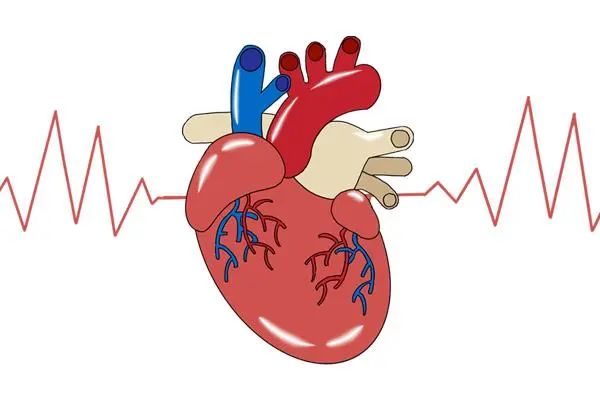
Low blood oxygen can cause dizziness, fatigue, respiratory dysfunction, cardiovascular, nervous system damage, multiple organ failure, and other hazards and consequences. Blood oxygen should be tested regularly, and medical treatment should be sought in time if abnormal and prevented.
When the blood oxygen content is reduced, the oxygen supply to important organs such as the brain is insufficient, and symptoms such as dizziness, headache, and physical fatigue will occur. Affects the brain's thinking ability and the body's motor ability, and reduces work and life efficiency.
Long-term low blood oxygen will reduce the excitability of the respiratory center and weaken the respiratory drive. This leads to changes in respiratory frequency and depth. Symptoms such as shortness of breath and difficulty breathing appear, and respiratory failure can occur in severe cases.
Lack of blood oxygen will stimulate the heart and vascular system, increase the heart rate, and increase the heart load. Long-term can lead to myocardial hypertrophy, heart enlargement, and even heart failure, vasoconstriction, and increased blood pressure. Increase the risk of cardiovascular diseases such as coronary heart disease and stroke.
The brain is extremely sensitive to hypoxia. Continuous low blood oxygen can cause metabolic disorders and functional impairment of brain cells, resulting in symptoms such as memory loss, inattention, mood swings, and abnormal behavior. In severe cases, it can cause brain tissue necrosis, cerebral infarction, cerebral softening, etc., leading to neurological dysfunction, coma, and even death.
Severe low blood oxygen can affect the functions of various organs and systems throughout the body, leading to dysfunction or failure of multiple organs such as the liver, kidneys, lungs, and gastrointestinal tract, which seriously threatens life and health.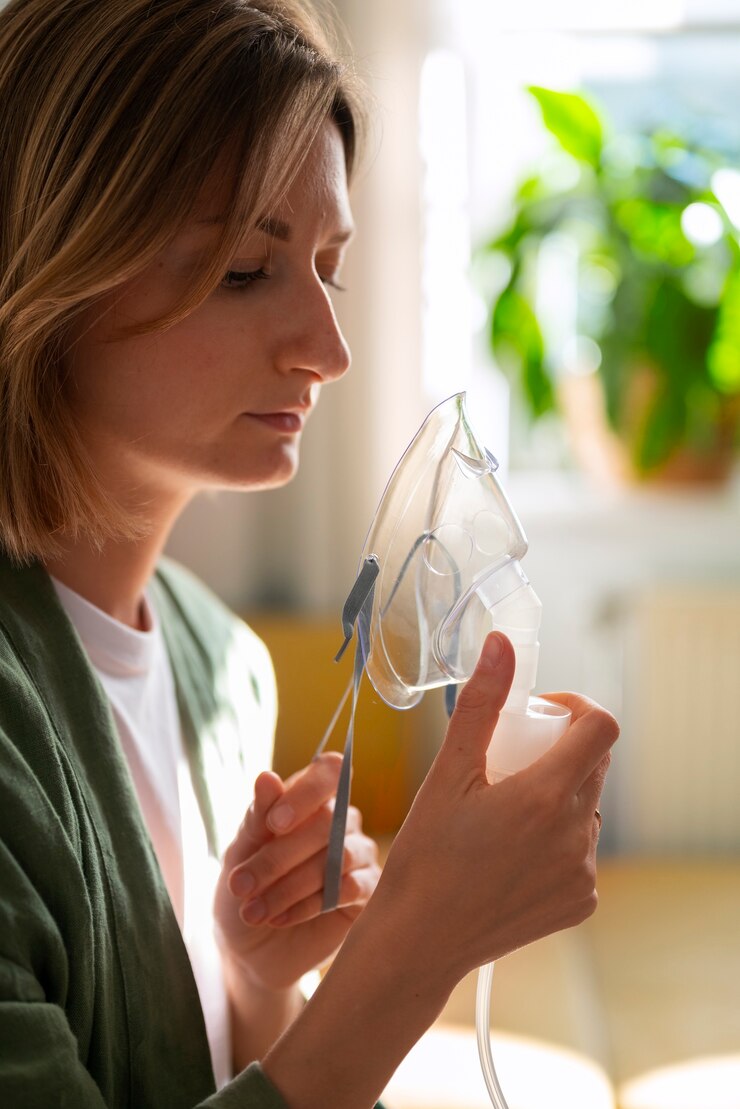
Oxygen therapy mainly increases the partial pressure of oxygen in arterial blood, oxygen saturation, and oxygen content to correct hypoxemia, ensure oxygen supply to tissues, and relieve tissue hypoxia. Oxygen therapy mainly includes simple masks, oxygen concentrators, hyperbaric oxygen therapy, etc.
Hyperbaric oxygen chamber treatment mainly uses special, closed, high-pressure resistant devices to pressurize and inhale oxygen to improve the patient's hypoxia and ischemia. Hyperbaric oxygen chamber treatment can increase the partial pressure of oxygen in the blood. The inhaled high-pressure oxygen can diffuse in the blood, which is more conducive to relieving tissue hypoxia.
Drug treatment is mainly to help relieve bronchospasm, and use related drugs to help relieve bronchospasm.
Or carry out low-flow oxygen inhalation at home. Respiratory infections should also be avoided daily, and underlying diseases such as asthma, chronic obstructive pulmonary disease, heart failure, and cerebrovascular disease should be actively treated.
Eat less spicy, high-salt, and greasy foods. Eat more fresh fruits and vegetables, as well as easily digestible, nutritious, high-protein foods, etc. to protect lung function. You should also actively quit smoking.
To reduce the chance of inducing hypoxemia, you should actively treat underlying diseases, ensure sleep, balanced nutrition, moderate exercise, and enhance cardiopulmonary function, which can reduce long-term living in a low-oxygen environment.
