Hyperbaric oxygen therapy (HBOT) is a cutting-edge medical treatment that harnesses the healing power of oxygen to facilitate recovery. Inside a hyperbaric chamber, patients inhale pure oxygen, which is vital for optimizing therapeutic outcomes. Breathing medical-grade oxygen in a high-pressure setting is crucial for promoting health and recovery, making it a fundamental component of HBOT.
1. Understanding Hyperbaric Oxygen Therapy
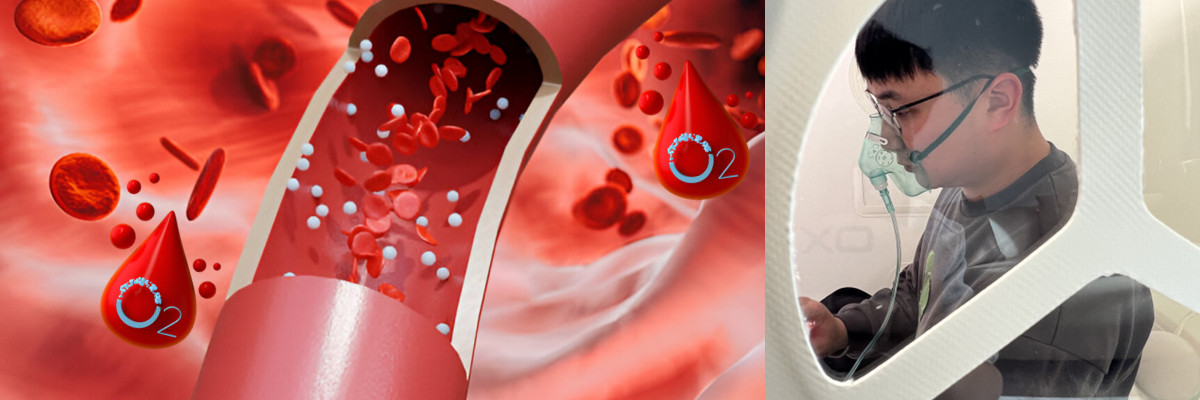
HBOT takes place in an environment with pressure exceeding one absolute atmosphere. Patients breathe in 97-100% oxygen through a mask, resulting in blood oxygen levels that are dozens of times higher than those achieved at normal atmospheric pressure.The elevated pressure in a hyperbaric chamber allows oxygen to dissolve more efficiently in the bloodstream. Under normal conditions, oxygen diffuses from the lungs into the blood at a rate of 900 to 1,200 milliliters per minute, with a diffusion radius of about 30 microns. However, in a hyperbaric environment, this radius can extend beyond 100 microns, enhancing oxygen absorption into tissues. This high penetration of oxygen supports overall cellular function, boosts energy production, and aids in the repair of damaged tissues.
High-concentration Oxygen → Lungs → Pulmonary Capillaries → Blood Circulation → Tissue Capillaries → Tissue CellsHBOT is a non-invasive and safe treatment option, with minimal side effects. It also boosts cellular metabolism, making it a widely accepted therapeutic strategy in contemporary medicine.
 2. The Impact of Oxygen Under High Pressure
The physiological effects of oxygen in a hyperbaric setting are significant: Increased Oxygen Dissolution: Breathing pure oxygen at pressures of 2.5 to 3 atmospheres can raise the dissolved oxygen content in 100 milliliters of blood from 0.3 milliliters (under normal pressure) to over 5.6 milliliters—a nearly 20-fold increase. This elevation in arterial oxygen tension to 1,770 mmHg (235.9 kPa) ensures that tissues receive sufficient oxygen for optimal function.Enhanced Healing: Elevated oxygen levels promote tissue repair and regeneration, making HBOT particularly effective for chronic wounds and recovery after surgery. The high-pressure environment increases the availability of oxygen to cells, accelerating metabolic processes that are crucial for healing.Reduced Edema: Improved oxygen delivery helps break the cycle of hypoxia and swelling. The high-pressure environment enhances oxygen's ability to penetrate tissues, leading to better fluid regulation and reduced inflammation, facilitating recovery from conditions such as sports injuries or post-surgical recovery.Boosted Immune Function: Increased oxygen levels enhance the immune response, enabling the body to combat infections more effectively. The high-pressure setting allows for greater oxygen availability, which supports white blood cell function and enhances the body’s ability to fight pathogens.3. Benefits Across Various Conditions
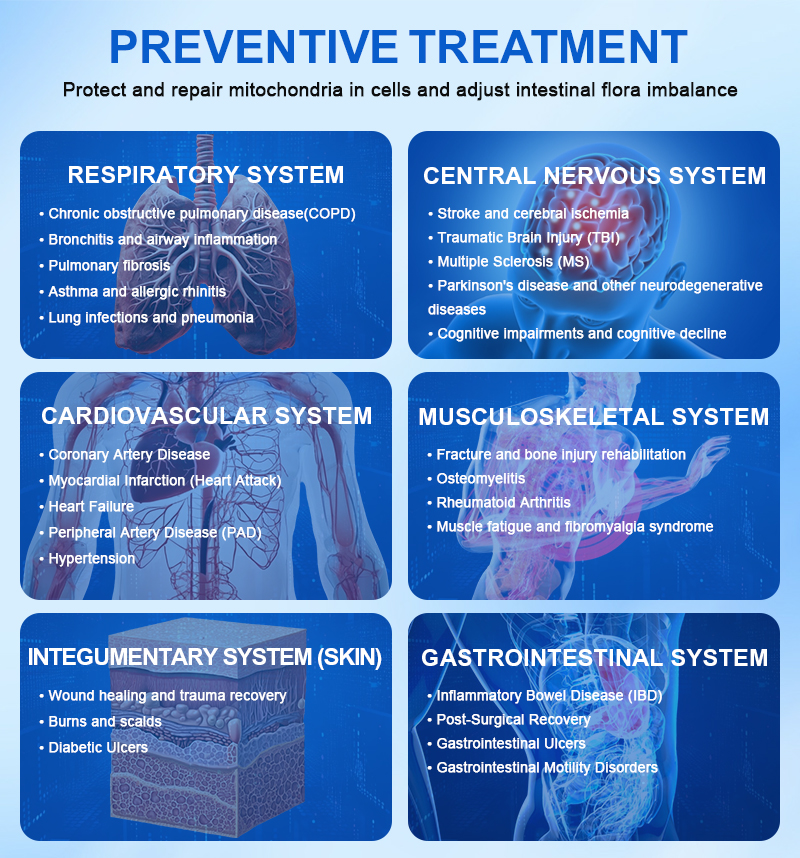
HBOT has demonstrated effectiveness for a range of medical issues, primarily by improving oxygen delivery, which supports healing and cellular function:Wound Healing: Higher oxygen levels promote angiogenesis (the formation of new blood vessels) and collagen production, both essential for tissue repair. The hyperbaric environment enhances oxygen diffusion into tissues, significantly reducing healing times for diabetic ulcers by up to 50%.Decompression Sickness: For divers, rapid ascents can cause nitrogen bubbles to form in the bloodstream, leading to tissue damage. HBOT reduces bubble size and provides oxygen to affected tissues, significantly improving recovery times and alleviating neurological symptoms due to the increased availability of oxygen under pressure.Infection Management: Oxygen boosts the efficacy of white blood cells in fighting infections. HBOT enhances oxygen concentration in tissues, which strengthens immune responses and improves the effectiveness of antibiotics for chronic infections like osteomyelitis by ensuring that cells receive adequate oxygen to function optimally.Autism: Some studies suggest that increased oxygen availability may enhance neural activity and cognitive function in children with autism, potentially leading to improvements in social behavior and communication skills. The high-pressure oxygen environment could help improve brain metabolism and overall neural function.Sports Rehabilitation: Athletes often use HBOT to speed up recovery from injuries, lessen muscle soreness, and improve overall performance. By enhancing oxygen delivery to injured tissues, the high-pressure setting promotes quicker healing and reduces recovery time.
 4. Medical-Grade Oxygen Concentrators
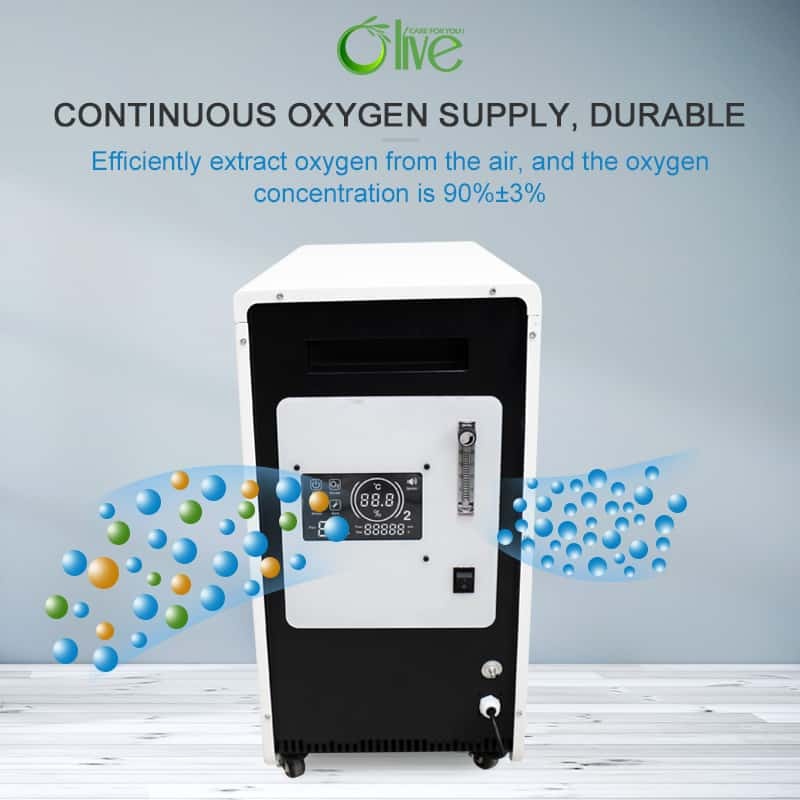
At OXYAIR, our hyperbaric chambers are equipped with advanced medical-grade oxygen concentrators. These devices ensure that patients receive oxygen that meets stringent medical standards, essential for maximizing the therapeutic benefits of HBOT. Our concentrators enhance safety and optimize treatment outcomes, providing peace of mind for both patients and healthcare providers.